Comprehensive Guide to Drilling Augers: Structure, Applications, and Maintenance Tips for Efficient Performence
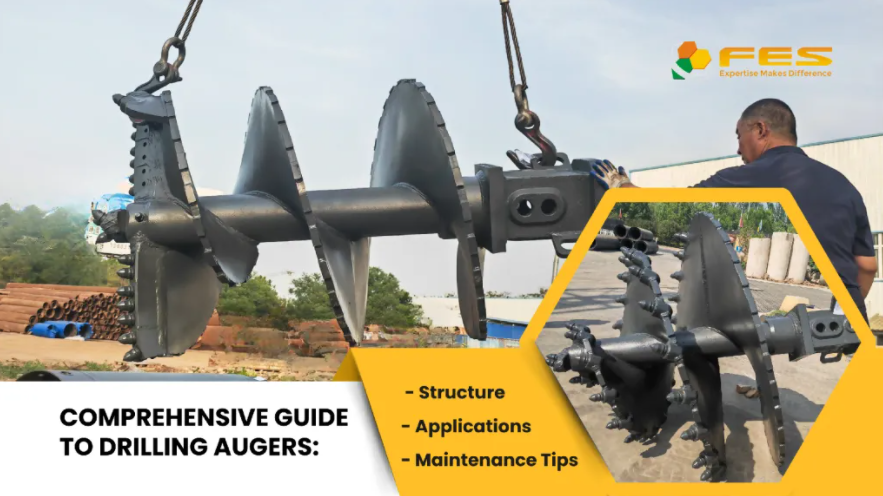
Comprehensive Guide to Drilling Augers: Structure, Applications, and Maintenance Tips for Efficient Performence
Introduction to Drilling Augers and Key Points of Usage
Drilling augers, an essential tool in the drilling industry, play a critical role in various types of soil and rock exploration. From construction projects to geotechnical investigations, augers like the rock auger, clay auger, and straight auger are used for efficiently digging through different earth layers. This article will introduce the basic structure and categories of augers, discuss their applicability and advantages for various soil types, highlight key operational procedures, and emphasize maintenance practices.
I. Basic Structure and Classification of Drilling Augers
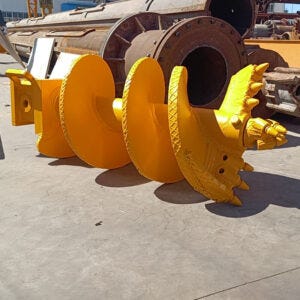
Drilling augers are typically composed of a drill bit, spiral flights, and a drill rod connection. The drill bit is the tip of the auger that performs the primary task of breaking through the soil. Depending on the hardness of the formation, the drill bits come in various shapes, such as conical, flat-bottomed, or spherical. Conical tips are suitable for soft soils, while flat-bottomed bits are ideal for harder soils and some gravel layers.
The spiral flights, or helical blades, are crucial for transporting the excavated material out of the borehole. They come in different sizes and pitches. A larger pitch auger is typically used for sandy soils where material flow is more free, while smaller-pitched augers are used in clayey soils for more stable drilling. Heavy-duty rock augers are often reinforced with carbide or other durable materials to handle tough formations like rock or hard clay.
A specific category of auger is the kelly bar auger attachment, used for rig-mounted drilling operations. This attachment provides an efficient solution for deep drilling in a variety of soil types, and its versatility makes it a popular choice for large-scale construction projects.
II. Applicability to Soil Layers and Advantages
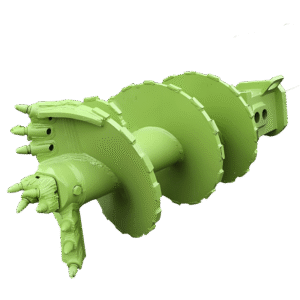
Drilling augers are highly versatile and can be used across a wide range of soil types. For instance, Auger for clay soil is especially effective when working in soft, cohesive clay layers. The auger’s spiral flights help to continuously remove the sticky soil without causing blockages, a common issue in “mud-filled” drilling.
In loose, sandy, or gravel-rich formations, the soil drill auger helps create stable, straight holes, but care must be taken to monitor the rate of soil removal. As the soil type becomes more compacted, such as in rock drilling auger applications, the auger’s performance may decrease, and specialized rock auger for sale models are needed to overcome the challenges of tough geological layers.
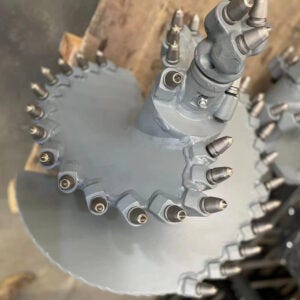
A significant advantage of rock augers and heavy-duty rock augers is their ability to handle tough rock or fragmented layers. These augers are typically equipped with cutting teeth or reinforced with harder alloys to resist wear and tear.
III. Key Operational Procedures
- Soft Soil Layers: When drilling in loose or soft soil, it is advisable to increase the drilling speed and apply low pressure to ensure efficient removal of material. This allows the spiral auger to quickly cut through the soil and transport the debris out of the hole.
- Hard Soil or Gravel Layers: When dealing with hard clay or rocky soils, it’s essential to reduce drilling speed and increase the pressure. This ensures that the drill bit can effectively break through the tough materials. For example, rock auger for sale models are specifically designed to cope with such situations, allowing deeper penetration and efficient debris removal.
- Vertical Drilling: Maintaining a vertical alignment of the auger is essential to avoid deviations in the hole position, which can affect the integrity of the entire project. Angled drilling can cause damage to the auger’s blades and lead to wear and tear.
- Real-Time Monitoring: Pay attention to the debris removal rate during drilling. A sudden drop in material flow could indicate that the auger has become blocked or that the bit is encountering a hard layer. In such cases, stop drilling and inspect the auger for any damage or buildup.
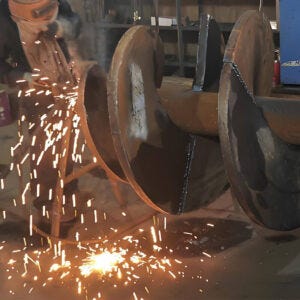
IV. Debris Removal and Drilling Monitoring
Efficient debris removal is a crucial aspect of drilling operations. If the soil drill auger fails to clear debris effectively, the drilling process will slow down, and the auger may overheat. A sudden decrease in debris output often signals a blockage or the presence of hard layers, which requires the auger to be retracted for cleaning.
In areas with high water tables, monitor the slurry level to ensure the hole doesn’t collapse due to groundwater infiltration. Regularly check the drill bit and FES foundation drilling teeth for wear or damage. If large chunks of rock or clay appear in the debris, inspect the cutting edge for signs of dullness or cracking.
V. Daily Maintenance
Proper maintenance is essential to extend the life of your auger. After each use, clean the auger blades to remove any soil buildup, especially after drilling in clay-rich soil. Allowing soil to harden on the auger can severely damage the tool.
- Wear Check: Regularly inspect the cutting teeth and alloy tips for wear. If the wear exceeds 1/3 of the original material, a weld repair is recommended to restore functionality.
- Drill Tip Maintenance: Any signs of cracks or dullness on the drill tip should prompt an immediate replacement to maintain optimal drilling efficiency.
- Bolt Inspection: Periodically check the connection bolts on the auger blades to ensure they are tight. Loose bolts can cause misalignment and even failure of the entire system.
By understanding the structure and correct application of augers like the Straight Auger, Clay Auger, and Heavy Duty Rock Augers, construction teams can ensure that drilling projects are completed efficiently and safely. Additionally, regular monitoring and maintenance of augers can prevent downtime and enhance their service life. For those in need of robust drilling solutions, consider exploring options such as FES piling auger system for high-performance tasks in various soil conditions.


Comments
Post a Comment